


Construction projects rarely stop when winter arrives, but colder temperatures, prolonged rainfall and changing ground conditions can create significant challenges for contractors working with excavations, structural support systems and other temporary works.
While temporary works are designed to suit specific site conditions, those conditions can change quickly during the winter months. Saturated ground caused by rising groundwater levels, freeze-thaw cycles and severe weather events can all affect excavation stability, allowable bearing capacity and the performance of temporary works systems if not properly managed.
Temporary works are designed using the information available at the time, including ground conditions, groundwater levels, anticipated loads and construction sequencing. During winter months, many of these factors can change significantly, sometimes within a matter of days posing risks to site operatives and the Contractor’s programme of works.
Heavy rainfall can soften soils and increase groundwater pressures, while prolonged wet weather may reduce bearing capacity and affect soil behaviour. High winds, snow and ice may also introduce additional loading or restrict access for inspections and maintenance activities.
As site conditions evolve, the assumptions made during the design stage may no longer reflect the reality on site. For this reason, temporary works should be viewed as an active element of the construction process, requiring regular inspection and ongoing assessment throughout the winter months.

Prolonged rainfall is one of the most significant winter challenges for construction projects because of the impact it can have on ground conditions. As soils become saturated, their strength can reduce, making excavations more difficult to manage and increasing the likelihood of ground movement around working areas.
At the same time, rising groundwater levels can place additional hydrostatic pressure on excavation support systems and create more demanding working conditions below ground. Contractors may encounter standing water within excavations, increased pumping requirements, softer formation levels and greater groundwater ingress than originally anticipated.
These changing conditions can directly affect excavation stability, installation activities and overall site productivity. Projects involving deep excavations, utility installations or sites with naturally high groundwater levels are often particularly vulnerable. Effective drainage, dewatering and groundwater management measures are therefore essential for maintaining safe working conditions. Regular inspections following periods of heavy rainfall can help identify changing site conditions early, allowing temporary works arrangements to be reviewed before safety or programme delivery are affected.
Monitoring does not always require specialist instrumentation. Routine inspections, groundwater observations and regular checks of excavation conditions can often provide an early indication that site conditions are changing. Identifying these changes early allows contractors to review whether the original temporary works design assumptions remain valid and if advice needs to be sought from the temporary works supplier.
Excavations are often among the first areas of a construction site to be affected by changing winter conditions because they are heavily influenced by both ground conditions and groundwater behaviour. Even relatively small changes in soil strength or groundwater levels can have a noticeable impact on excavation stability. Following prolonged rainfall, excavations may experience increased water ingress, softened ground conditions and reduced shear strength within surrounding soils.
Site teams should remain alert to warning signs that ground conditions may be deteriorating. These can include cracking near excavation edges, sloughing of excavation faces, increased groundwater seepage, standing water, softening formation levels or movement within excavation support systems. While these indicators do not necessarily mean a failure is imminent, they may suggest that site conditions have changed and existing temporary works arrangements should be reviewed.
By identifying potential issues early, contractors and suppliers can take corrective action before safety, productivity or programme delivery are affected.
Projects involving temporary structural support systems and façade retention schemes should consider the impact of high winds throughout the winter months. Additional environmental loading, combined with changing ground conditions, can create demands that differ significantly from those present when the temporary works were first installed.
Where temporary works are supporting existing structures, additional wind loads should be considered alongside construction-stage loading and bearing capacity requirements. This is particularly important where support systems rely on temporary foundations or are installed in areas where ground conditions may be changing due to prolonged rainfall.
Regular inspections following high wind events can help confirm that temporary works remain stable and continue to perform in accordance with the original design assumptions.
Winter inspections are not simply a box-ticking exercise. Their purpose is to confirm that site conditions remain consistent with the assumptions used during the temporary works design process.
If inspections identify changes such as increased groundwater levels, saturated ground, reduced bearing capacity or signs of movement around excavations, contractors should assess whether these changes could affect the performance of the temporary works. Depending on the findings, additional drainage and dewatering measures may be required, monitoring frequencies may need to increase, or the temporary works design itself may need to be reviewed.
In some cases, further engineering assessment may be necessary to confirm that the support system remains suitable for the conditions encountered on site. This may result in additional drainage measures, modifications to excavation support arrangements, changes to construction sequencing or a review of loading conditions. Taking action early helps prevent changing ground conditions from developing into safety issues, programme delays or costly redesigns later in the project.
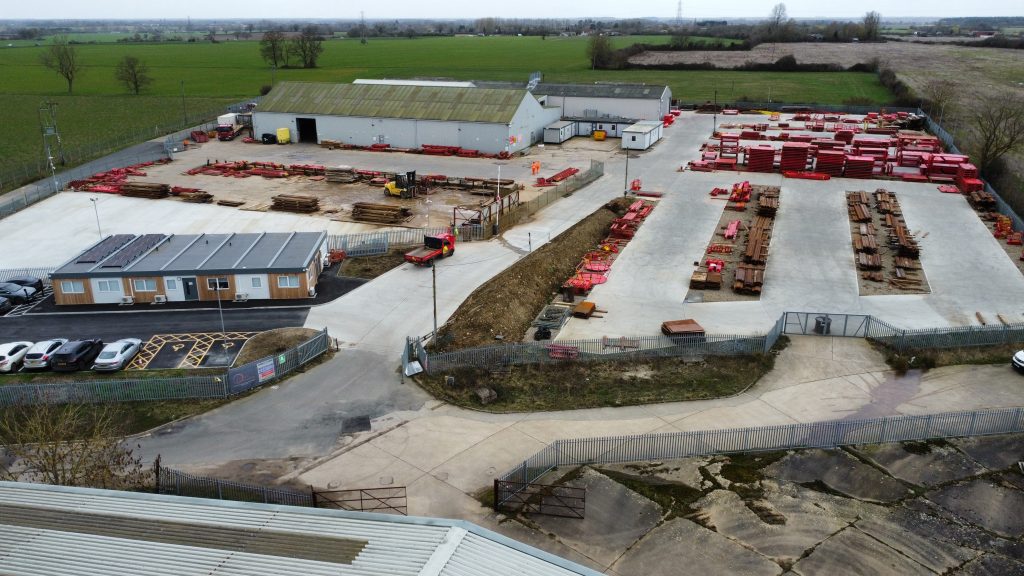
Considering seasonal risks during the planning stage allows contractors to prepare for changing ground conditions and implement appropriate control measures before they become necessary.
Temporary Works Coordinators (TWCs), site teams and engineering specialists all play an important role in ensuring temporary works remain suitable as conditions evolve throughout the project. Early collaboration helps ensure that designs remain appropriate even when ground conditions differ from those encountered at the outset.
Managing temporary works through winter requires engineering expertise, proactive planning and an understanding of how changing ground conditions can influence construction activities.
MGF supports contractors throughout the project lifecycle with excavation support solutions, structural support systems, lifting and safety, temporary works design, engineering calculations, technical site support and installation guidance. MGF’s shoring equipment is manufactured from S460 J2 grade steel, which is tested and certified at temperatures down to -20°C, ensuring its strength and performance are maintained in cold weather conditions.
Our engineers regularly assist projects affected by poor ground conditions, elevated groundwater levels, restricted working environments and complex excavation requirements.
Whether supporting deep excavations, utility installations, basement construction or structural alteration works, MGF’s in-house engineering teams work closely with contractors to develop practical temporary works solutions that remain safe and effective as site conditions evolve.
By combining innovative temporary works solutions with practical engineering expertise, MGF helps contractors manage risk, maintain compliance and keep projects moving safely throughout the winter construction season.
To find out more about our products, visit: Our Product Range or email support@mgf.co.uk.
Whether you have a question, need a quote, or want to discuss a project, our dedicated team is ready to assist you.